

In Phoenix
Phoenix Career Exploration Workshop
A virtual workshop covers career interests, personality, and tools for researching potential jobs.
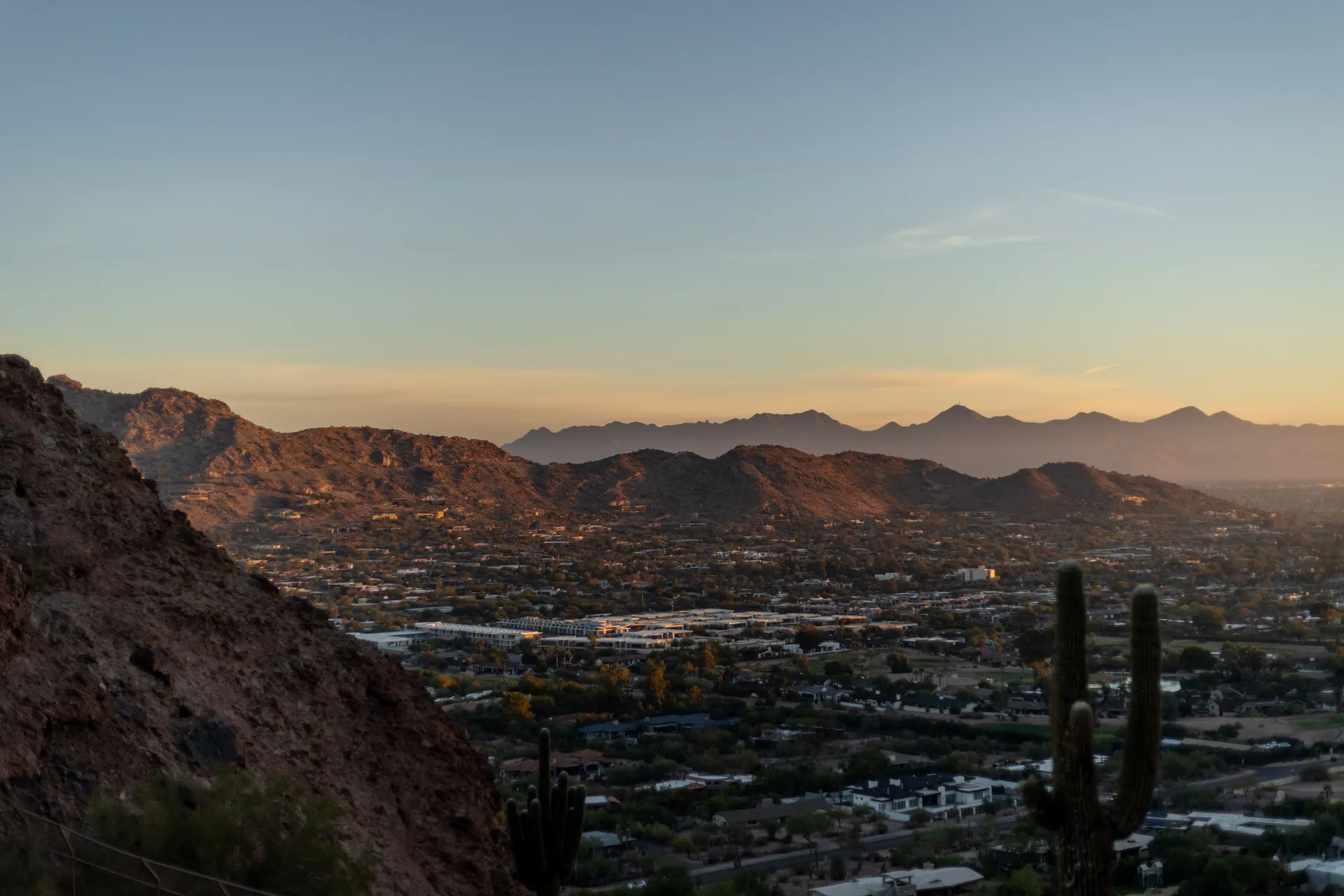
Phoenix, Arizona
Help After a Car, Truck, or Motorcycle Accident
Hurt in an accident in or near Phoenix? Start with your story. We help you put the facts and medical records in order so an Arizona law firm can decide whether to review it.
Photo: Nicole Seidl via Pexels, Pexels License.
Around Phoenix
A free community guide from Arizona Crash Lawyers. Every story is checked against its official source.
In Phoenix
A virtual workshop covers career interests, personality, and tools for researching potential jobs.
In Phoenix
The market offers fresh fruit and vegetables at the Travis L. Williams Family Services Center.
In Phoenix
A City of Phoenix online training covers cover letters, resumes and choosing references.
In Phoenix
A virtual City of Phoenix workshop focuses on answering interview questions, presenting yourself and following up afterward.
Official Phoenix calendars: City of Phoenix events calendar · Visit Phoenix events
Drivers and passengers: the facts, the report and the insurance details to keep.
Read the guideCommercial and delivery vehicles: identifying the company and the records that exist.
Read the guideRiders and passengers: the bike, damaged gear and the road conditions.
Read the guideHow it works
Start with plain language, in your own words. Sofia is an automated assistant that asks short, practical questions about the accident — when, where, what vehicles, what has happened since.
Your answers become an ordered summary: dates, the police report, vehicles, insurers you have heard from, and treatment you have received. Nothing is decided at this stage — it is a clean record of the facts.
If an Arizona law firm accepts the matter for review, an attorney decides whether to speak with you. Any decision to take a case, sign an agreement, or settle anything is made by people, not software.
You stay in control
Starting an intake is not a commitment. You can stop at any point, and nothing is filed or sent on your behalf.
Dates, the police report, vehicles and medical care are organized into one clear record you can refer back to.
Any review depends on an Arizona law firm accepting the matter. Engagement and settlement are always human decisions.
Center Court Legal is a technology and administrative-support company, not a law firm, and does not give legal advice. Sofia is automated software, not a person. Read the disclosures.
Local character
Phoenix traffic is a grid problem. Long straight arterials, wide intersections, freeway ramps that feed directly into surface streets, and a downtown core that fills and empties twice a day. An accident here usually involves more than two drivers' accounts — signal timing, a light-rail corridor, a delivery route, a shift change.
Downtown Phoenix has quietly become a place people walk: Roosevelt Row galleries, the ASU campus buildings along Central, ballpark and arena nights that push thousands of people across the same few blocks. Around that core, Phoenix is still a driving city — seven-lane arterials, left-turn lanes that stack up, and desert light that goes from glare to darkness in twenty minutes.
That mix is why Phoenix accidents are rarely simple. The same intersection can carry commuter traffic, a bus route, a bike lane, a delivery van double-parked at the curb, and a rideshare pulling a U-turn. The facts matter, and they are usually recoverable — if someone collects them early.
The pattern we hear most from Phoenix residents is delay. The accident happens on a Friday on a road like 7th Street or Bell, everyone exchanges information, and then nothing happens for three weeks. The police report number sits in a text message. An insurance adjuster calls twice and then stops. By the time someone starts looking for help, the details that would have settled the question — which signal was green, whether the other vehicle was on a commercial route, what the urgent care actually wrote down — have gotten fuzzy.
None of that is anyone's fault. People go back to work. What helps is having the record built while it is still fresh, in one place, so that when an attorney looks at it they are reading facts rather than reconstructing them.

Meet Sofia
Sofia is CCL’s automated intake guide. She answers general questions about how to start, what to have ready and what happens next. She can’t see a case, give legal advice or submit anything.
Questions
General information only, not legal advice.
Freeway accidents are usually worked by the Arizona Department of Public Safety, not the Phoenix Police Department. City streets are generally Phoenix PD. The officer's card or exchange slip usually names the agency.
It can add facts worth writing down early: which direction the train was moving, the signal phase, and whether transit staff were on scene. Note the nearest station name as a landmark.
Keep a simple list of every place you were seen — urgent care, emergency department, primary care, physical therapy — with dates. Records and bills can be requested later; a clean list makes that far easier.
Local resources
Official agencies and sources. We do not operate or speak for any of them.
City agency for accidents on Phoenix surface streets, including records requests.
Operator of light rail and regional buses serving central Phoenix.
For accidents on state highways and freeways worked by DPS troopers.
Official ADOT closures and restrictions, useful for confirming conditions on a date.
10,449 — ADOT reported 10,449 injury crashes in Phoenix in 2024. That figure counts crashes, not injured people, and not legal claims. Source: ADOT 2024 Arizona Motor Vehicle Crash Facts (PDF). This counts crashes reported to ADOT, not people or legal cases.
A few plain questions about what happened. No obligation.


